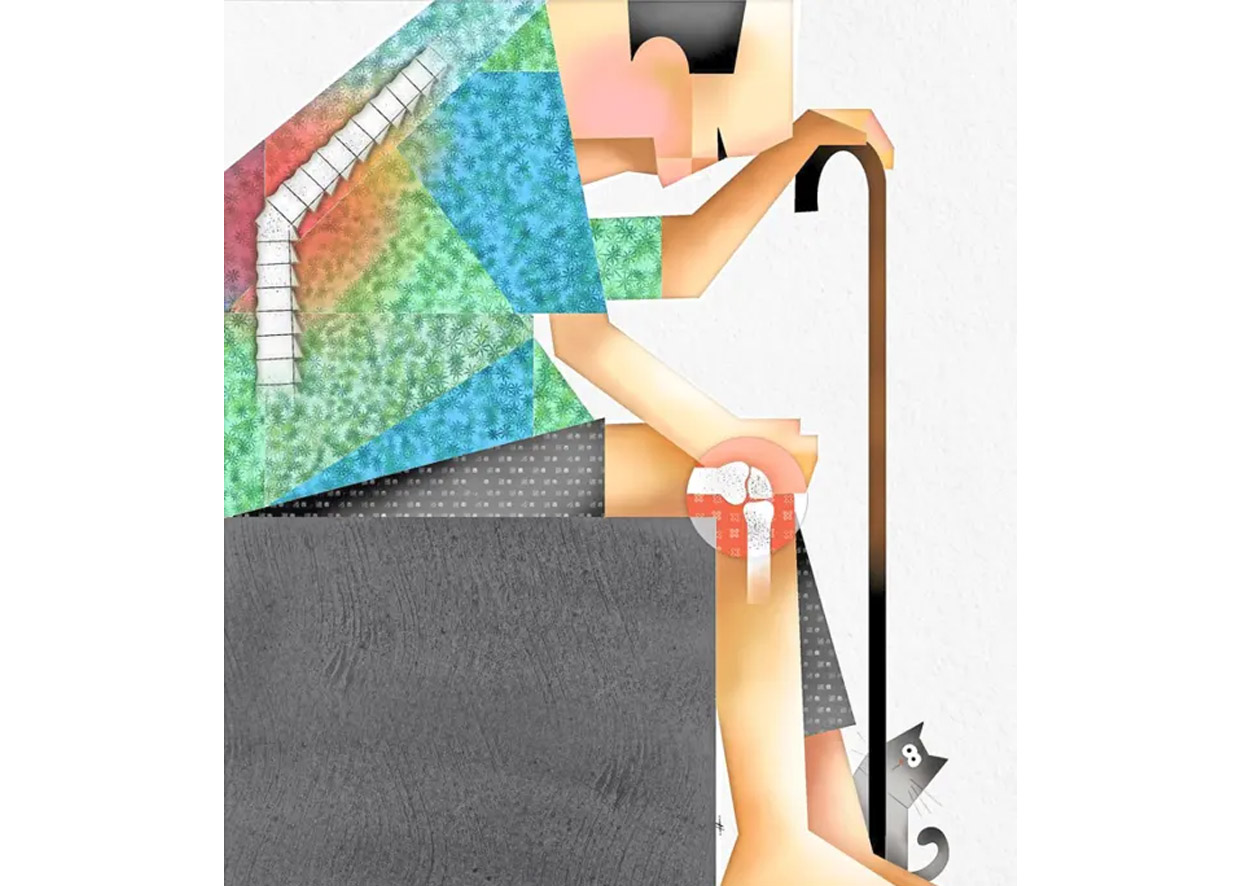
Osteoporosis is often perceived as a condition that predominantly affects women, particularly those who have gone through menopause.
This common misunderstanding leads to significant neglect in diagnosing and treating osteoporosis in men. Although men exhibit lower rates of osteoporosis compared to women, they remain at considerable risk for this disease.
As men grow older, especially after the age of 50, they become increasingly prone to bone density reduction, resulting in fractures and other complications associated with osteoporosis. Unfortunately, the symptoms and risk factors common among men frequently go unnoticed, leading to delayed diagnoses and inadequate treatment.
A silent disease
Osteoporosis is a systemic skeletal disorder characterised by reduced bone mass and deterioration of bone tissue, which increases fragility and raises fracture risk. Often progressing quietly, many men are unaware of their bone density problems until they sustain a fracture.
While numerous risk factors for osteoporosis are shared between genders – such as ageing, family history and certain medical conditions – men face unique challenges that contribute to its underdiagnosis. A key factor includes hormonal changes – decreased testosterone levels due to ageing significantly affect bone density.
Unlike women who experience rapid loss of bone mass during menopause, men’s decline tends to be gradual, making symptoms less noticeable and complicating early detection efforts. Other contributing risk factors include excessive alcohol intake, smoking habits, low body weight, and specific medications like corticosteroids that further heighten osteoporotic risks.
Often termed a “silent disease”, osteoporosis typically remains symptom-free until a fracture occurs. The lack of obvious symptoms in men can lead to dangerous delays in diagnosis since many may not recognise their susceptibility or actively pursue preventive measures.
Fractures among men due to osteoporosis frequently involve locations such as the hip, wrist or spine. These injuries can lead to significant disability and diminished independence.
The diagnostic hurdles related to male osteoporosis are exacerbated by traditional screening guidelines focusing primarily on postmenopausal women, alongside limited awareness among healthcare providers regarding male prevalence and associated risks for this condition.
Consequently, many men remain undiagnosed or untreated, intensifying their vulnerability to debilitating fractures, along with other complications arising from advanced osteoporosis.
Higher than we think
Data from the International Osteoporosis Foundation indicates that approximately one out of every five males over 50 will experience an osteoporotic fracture during their lifetime. This is a striking statistic, considering how frequently this demographic goes unrecognised for proper diagnosis.
Furthermore, estimates suggest that about 30% of all hip fractures occur within male populations, underscoring how profoundly this condition impacts men’s health overall. Studies also demonstrate that diagnosed cases tend toward greater severity among males, along with higher likelihoods of complications following any subsequent fractures.
The male-to-female ratio for osteoporosis stands at around 1:3, yet fails to adequately represent how often males present more advanced disease at diagnosis. Despite significant figures indicating the occurrence of osteoporosis amongst men, underdiagnosis remains alarmingly high in this group.
Research has illustrated disparities in screening protocols, revealing that only about one-fifth of males with fractures undergo evaluations for osteoporosis, while half of females receive similar testing. This oversight exacerbates future fracture risks, while contributing excess healthcare costs, alongside diminished quality of life faced by afflicted individuals.
Ultimately, failing to confront these diagnostic shortcomings means that many individuals will remain unaware until they suffer physical injuries. This highlights the pressing need to improve public awareness about proactive screenings designed specifically to identify potential osteoporotic issues that are unique to various demographics requiring attention.
Implementing regular assessments specifically aimed at high-risk populations, particularly those with family histories that indicate a predisposition to such vulnerabilities, is recommended. Additionally, healthcare professionals should be particularly attentive when evaluating male patients who exhibit risk factors, such as a history of fragility fractures or low body weight.
This focus on early diagnosis is crucial for facilitating timely interventions, which can ultimately lead to better outcomes and enhance overall management strategies.
Strengthening bone
Managing osteoporotic conditions amongst males necessitates various therapeutic strategies designed explicitly toward strengthening skeletal integrity while simultaneously mitigating fracture probabilities. Primary recommended treatments encompass bisphosphonates, which are widely-prescribed agents effective in inhibiting bone resorption processes, thus enhancing mineral densities.
Agents such as alendronate/risedronate demonstrate efficacy across genders, yet emerging studies imply different responses observed in therapy regimens for male patients. Hormonal replacement therapies (HRTs) may prove beneficial when it comes to low endogenous testosterone levels, as this hormone plays an integral role in maintaining healthy bones.
Additionally, novel treatments like teriparatide serve to stimulate new bone formation, alongside denosumab, which is a monoclonal antibody that diminishes bone resorptive actions. Each regimen must cater to individual circumstances, factoring in elements such as age, severity, overall fitness status and pre-existing illnesses, which could impact care delivery pathways accordingly.
Beyond medication-based strategies, lifestyle modifications are crucial in both the management and prevention of osteopenia and osteoporosis, particularly for men.
These include:
- Exercise Regular participation in weight-bearing activities and resistance training significantly enhances bone mineral density.In addition, exercises such as walking, jogging and weight-lifting improve balance and coordination, which can reduce the risk of falls.
- Nutrition Adequate intake of calcium and vitamin D is essential for maintaining healthy bones.It is advisable to include nutritious foods in one’s diet, with consideration for supplements if dietary intake is insufficient.
- Other lifestyle choices Reducing alcohol consumption and quitting smoking are also vital changes that can positively impact long-term health outcomes.These adjustments are closely linked to the adoption of healthier lifestyles overall.
In conclusion, the data indicates troubling patterns where men are less likely to receive appropriate evaluations and treatments, which significantly increases the risk of enduring lifelong health issues and death linked to fragility-related injuries.
Therefore, it is essential to understand the unique characteristics and implications of osteoporosis associated with masculinity, in order to facilitate timely interventions and care.This will ultimately improve the quality of life for individuals as they navigate the various challenges that come with managing chronic illnesses prevalent in today’s society.
By Datuk Dr Nor Ashikin Mokhtar
Published in Star Newspaper, 14 Jul 2025