In many cultures, a period of confinement after pregnancy has been practised for generations.
Confinement during modern times may seem like an old practice filled with folklore and odd practices, such as not being able to receive visitors or restrictions in taking baths. But if we remove some of the less practical rules of this period, there are many advantages in practising confinement, which typically lasts between 30 to 45 days.
Its benefits include protecting a mother from sickness and giving her time to regain strength after nine months of carrying and sustaining another human being within her. A period of rest after childbirth can also help a mother mentally, giving her time to adjust to caring for a new baby as part of daily life.
So don’t just dismiss confinement as a practice with outdated rules; ditch the nonsensical beliefs, keep what is sensible and honour the ones that were created from a place of love and concern for you as a new mother. Let’s take a look at some do’s and don’ts during the confinement period.
Do drink plenty of water
It’s always been believed that during confinement, drinking plain water will cause the body to retain more water, thus lowering the body’s temperature. However, there is no reason to believe that this is true. Drink warm or hot water to prevent your body from feeling cold instead.
Do shower
Showers and hair-washing are thought to be bad for women in confinement as it allows “wind” to enter the body. In the past, this practice may have been relevant due to a lack of electricity and devices like heaters and hair dryers to dry and warm ourselves up during cold days.
In some cultures, bathing during confinement is allowed if certain herbs are added to the bath water. Whether you shower, bathe or wash your hair with or without herbs, it is okay to do it in our modern times.
Do be careful about ‘recommended’ confinement foods
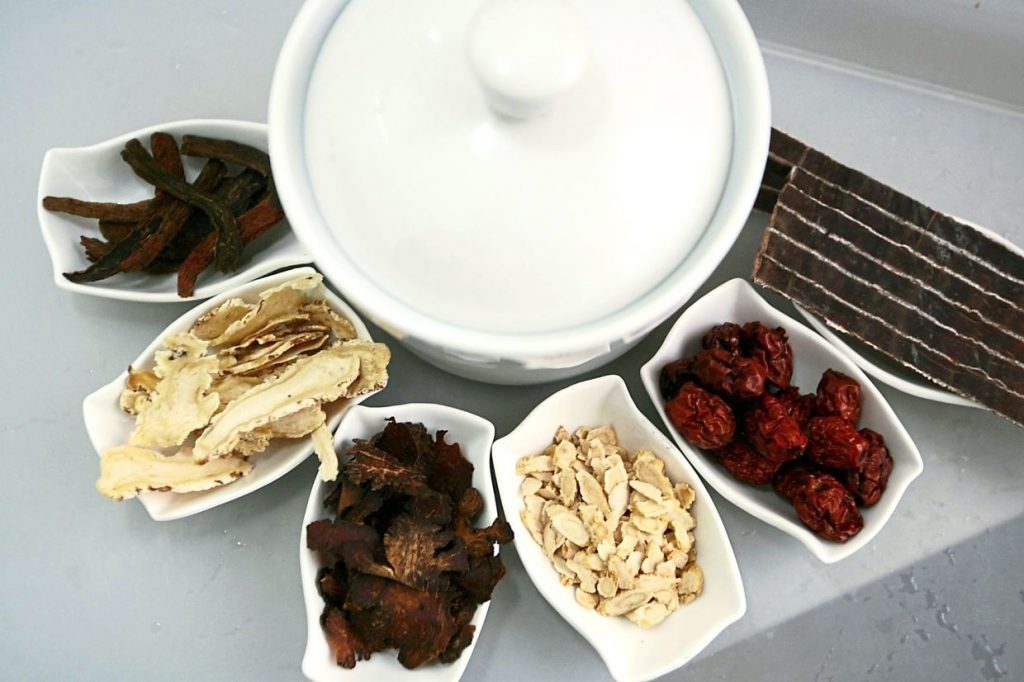
If confinement meals include ingredients like rice wine in soup and herbs, be sure to know exactly what is in those items as too much of it can end up being passed to your baby through breastmilk. Others include lots of liver and protein to “make up” for the blood loss during childbirth.
Instead of focusing on specific ingredients to consume, a better thing to do would be to eat a well-balanced diet that is rich in all essential nutrients, as that will help ensure your baby’s nutritional needs are met too.
Do keep yourself cool
Women in confinement are advised not to stay in air-conditioned rooms or to avoid sitting under a fan, in case it encourages a chill to enter the body. Some are also advised to wear long sleeves and pants to protect their body from cold, even when the weather is hot.
This may not be practical as it can cause heat rashes to break out, as well as overheating. It’s perfectly fine to stay in an air-conditioned room as long as you are dressed warmly enough. Your body temperature should be normal and comfortable throughout your confinement period.
Do bond with your baby and family
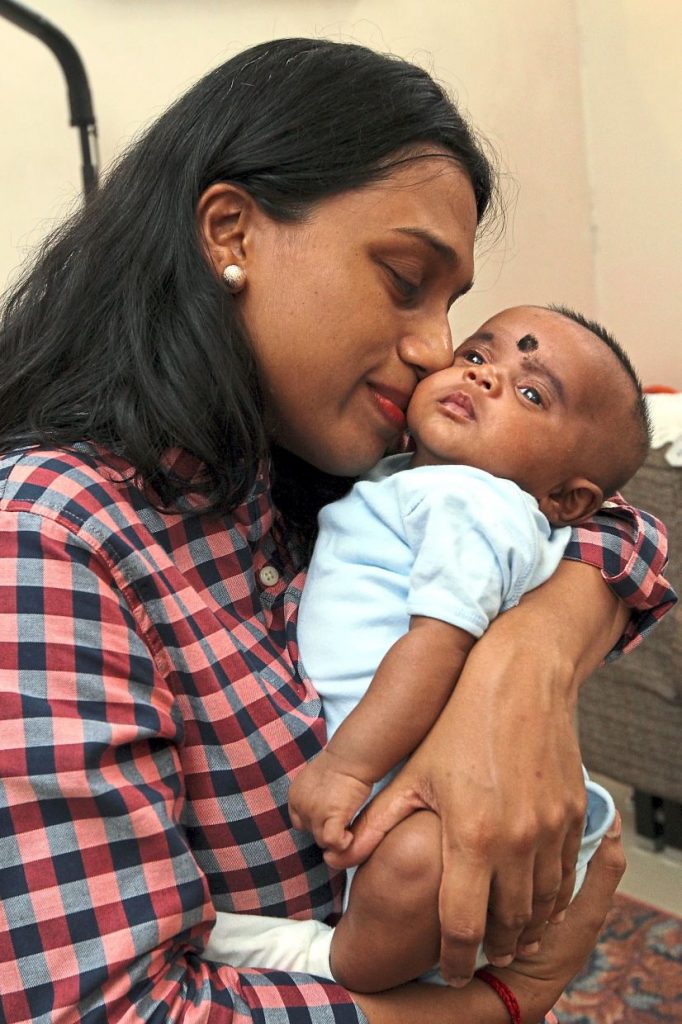
Mothers can use their confinement period to bond with their new baby and strengthen relationships with family members. Forming a healthy relationship can encourage the growth of the child’s emotional intelligence, which helps increase lifelong positive outcomes for the child.
If the husband of a new mother is actively involved in caring for the child and helping his wife during the confinement period, a new mother can also benefit from using the time to bond with her spouse.
Don’t neglect mental and/or spiritual health
Some cultures or religions may prevent new mothers from entering a place of worship or approaching an altar during their confinement, but that doesn’t mean you can’t meditate or say prayers in your own home.
If you haven’t already, create a space at home to practise mindfulness, study spiritual or religious materials, or say daily prayers.
Don’t create a chaotic home environment
Having too many people in the house may be disruptive for a delicate newborn baby. This is why visits from people other than immediate family members are not encouraged.
A peaceful environment enables a stable routine for everyone in the house, especially the baby. If you can, save the visits from friends and extended family until after the confinement period.
Don’t be intimate right away
Certain cultures, such as the Malay one, prohibit having sex right after giving birth until the end of lochia. Lochia is the vaginal discharge that occurs after giving birth.
It can contain blood, mucus and uterine tissue, and can continue for up to four to eight weeks after delivery. Medically speaking, abstaining from sex permits the lochia to be discharged and episiotomy wounds to fully heal. It may also help to lower the chances of infection.
Don’t prohibit yourself from the occasional treat
One of the most important parts of confinement is the diet, where a meal plan is prepared in advance and catered to the needs of a new mother. There are even food services that can prepare, cook and deliver confinement meals in case a new mother needs help on that front.
Although you should eat healthy during this period, it doesn’t hurt to indulge in a treat for yourself once in a while. Go ahead and buy your favourite potato chips or order a fast food meal if you are craving it – just don’t do it every day.
Don’t neglect mental health
Many women experience postpartum depression due to hormonal disruption. Luckily, it doesn’t last, but it should not be ignored either as it can lead to other issues like a decline in physical health or marital/relationship problems.
A bit of the blues can be overcome with a healthy diet, adequate rest, good support from family and working on peaceful hobbies that make you happy during your confinement. If the depressive symptoms persist however, do seek professional help.
By Datuk Dr Nor Ashikin Mokhtar
Published in Star Newspaper, 04 Apr 2022