
In our ceaseless quest for the elusive fountain of youth, scientists have turned their attention to a surprising candidate: melatonin.
Typically renowned for its role in regulating the sleep-wake cycle, melatonin is now being scrutinised for its potential anti-ageing properties. Let us explore the intriguing relationship between melatonin and ageing, delving into its mechanisms, benefits and the crucial question of whether it can truly slow down the ageing process.
The anti-ageing connection
While melatonin has long been associated with sleep, recent research has ventured into uncharted territory by investigating its anti-ageing potential.
Studies have suggested that melatonin boasts potent antioxidant properties, acting as a scavenger of free radicals – those highly reactive molecules notorious for inducing oxidative damage, which is a key player in the ageing process.
Melatonin’s antioxidant effects appear to alleviate oxidative stress, thereby shielding cells from harm and potentially working against the ageing process. Moreover, melatonin exerts its influence on inflammation, mitochondrial function and the immune system, all of which are intricately linked to ageing.
Additionally, melatonin may play a role in the production of other essential hormones like growth hormone, which is vital for tissue repair and regeneration. Research has unveiled that melatonin production tends to decrease with age. This decline may result in the body’s reduced capacity to counteract oxidative stress and fend off free radical damage.
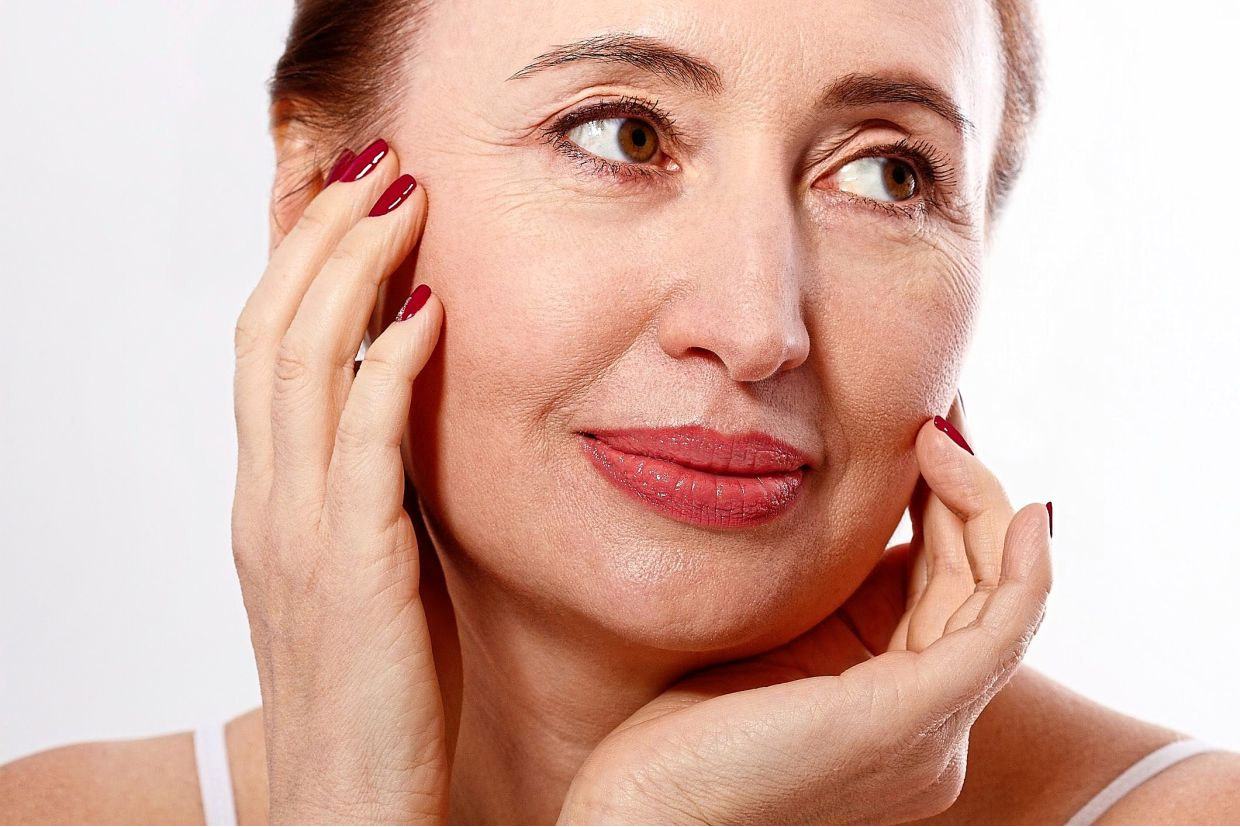
Consequently, skin cells may become more susceptible to damage from environmental factors such as ultraviolet (UV) radiation, pollution and other oxidative stressors, which hasten the ageing process, including the dreaded formation of wrinkles.
Despite melatonin’s robust antioxidant properties and potential to counteract ageing- related processes, its direct impact on slowing down ageing in humans remains inconclusive. Nevertheless, some animal studies have demonstrated promising results.
For instance, a 2002 study found that melatonin supplementation extended the lifespan of fruit flies by an impressive 33%. However, the translation of these findings to humans remains uncertain and warrants further investigation.
While melatonin is a formidable antioxidant, it is crucial to recognise that there is no singular “best” antioxidant for promoting anti-ageing effects. Antioxidants encompass a diverse group of compounds that collaborate to neutralise harmful free radicals and reduce oxidative stress, which is associated with ageing and age-related diseases.
Other antioxidants such as vitamin C, vitamin E and beta- carotene also contribute significantly to the body’s defence against oxidative stress.
Potential benefits
Here are some of the anti-ageing benefits of melatonin:
> Antioxidant properties
Melatonin serves as a potent antioxidant, effectively neutralising harmful free radicals and reducing oxidative stress. By mitigating oxidative stress, melatonin may safeguard against cellular damage and counteract the ageing process.
> Sleep regulation
Melatonin’s role in regulating the sleep-wake cycle is well-established. Quality sleep is closely linked to improved cognitive and immune function, which can have potential anti-ageing effects.
> Mitochondrial health
Mitochondria are the cellular powerhouses responsible for energy generation, and their dysfunction plays a pivotal role in ageing. Melatonin has shown the ability to protect against mitochondrial damage and enhance mitochondrial function.
> Topical benefits for skin
Topical application of melatonin has shown promise in improving clinical signs of skin ageing, including wrinkle reduction.A 2018 study found that melatonin-based creams significantly enhanced skin tone and hydration, while reducing roughness in women with ageing skin.
Moreover, recent research indicates that topical melatonin can promote wound healing and treat various skin conditions.
> Potential impact on collagen
Collagen, which is a critical protein for maintaining skin elasticity, tends to diminish with age. Although further research is needed, some studies suggest that melatonin may play a role in collagen synthesis, with melatonin receptors discovered on collagen-producing cells.
Determining the appropriate melatonin dosage depends on several factors, including age, health condition and the specific reason for taking it. In general, a recommended dosage range for anti-ageing benefits typically falls between one and 10 milligrammes.
If you are new to melatonin supplementation, it is advisable to start with a lower dose, typically between 1mg and 3mg. However, it is essential to emphasise that melatonin is a hormone and should be used under the guidance of a healthcare professional, whether it is applied topically or taken orally.
As science delves deeper into the mysteries of ageing, melatonin remains a fascinating piece of the puzzle, offering hope for a future where the fountain of youth may not be entirely out of reach.
By Datuk Dr Nor Ashikin Mokhtar
Published in Star Newspaper, 09 Oct 2023


